On this page
An advance payment for appointments is a part of the price paid when the client books, so that the slot is theirs and a no-show costs them, not you. It works best when it is small, clearly explained before the client pays, and refunded without a fuss when they cancel in time. This guide covers how much to ask, a cancellation policy you can copy, the messages to send by hand, and how an advance can hold a slot on a booking page until it is paid.
When advance payment for appointments is worth asking for
Not every booking needs one. Ask for an advance, also called a booking deposit or a down payment, when an empty slot hurts:
- Long services: a bridal trial, a colour, a full treatment.
- Busy days and times: weekends, festival weeks, evenings.
- New clients, whom you have not met yet.
- Anything you prepare for: a product ordered, a room or an expert set aside.
- Bookings made far ahead, which are the easiest to forget.
Record no-shows for a few weeks before you decide, and you will see where they happen.
A short, cheap service that is easy to fill again often does not need one. Every step added before a booking loses some people who would have come.
How much to ask
There is no single right amount. Two common ways:
- A fixed amount for every booking, easy to say and easy to check.
- A share of the price, so that a long service asks for more than a short one.
Ask enough that the client thinks twice before skipping, and little enough that a careful client does not hesitate. Whatever you choose, it comes off the bill on the day, and the client should see that in writing.
A cancellation policy to copy
Write the policy before you take the first advance, and show it before the client pays. A policy the client reads after paying is an argument waiting to happen.
- Holds: “An advance of ₹500 confirms your booking. It comes off your bill on the day.”
- Cancelling in time: “Cancel or move your booking up to 24 hours before it starts and the advance is refunded in full.”
- Late or no-show: “If you cancel later, or do not come, the advance is not refunded.”
- When we cancel: “If we have to cancel, your advance is always refunded.”
Put the refund in your own words, say how long a refund takes, and keep the same policy for everyone.
Messages to ask for an advance
Asking for it:
“Hi Kavya, I can hold Saturday 11 am for your bridal trial. To confirm it, please pay an advance of ₹1,000 to [your UPI ID] by 6 pm today, and send the screenshot here. It comes off your bill on the day. If it does not come by then, I will offer the time to someone else.”
In Hindi:
“नमस्ते कव्या जी, आपके ब्राइडल ट्रायल के लिए शनिवार सुबह 11 बजे का समय रोक रहे हैं। बुकिंग पक्की करने के लिए आज शाम 6 बजे तक [your UPI ID] पर ₹1,000 एडवांस भेज दें। यह रकम उस दिन आपके बिल में से कम हो जाएगी।”
Confirming it:
“Received ₹1,000, thank you. Your bridal trial is confirmed for Saturday 18 October at 11 am. Reply here if you need to change it.”
Refunding it:
“Hi Kavya, your booking for Saturday is cancelled and we have refunded the advance of ₹1,000 to the account you paid from. Do book again whenever it suits you.”
Why advances taken by hand go wrong
- The slot is promised before the money arrives, and given to someone else when it does.
- A screenshot is taken as proof, and nobody checks the bank.
- The advance is forgotten on the day, and the client is billed in full.
- Refunds depend on someone remembering, and the client has to ask twice.
How an advance holds a slot in Fliok
On Fliok’s booking page, an advance holds the slot while the client pays you directly. It is part of Bookings, on the Basic plan and above, with a monthly allowance of bookings: 500 on Basic, 2,500 on Pro and unlimited on Enterprise. Moving a booking does not count again, and a time held for an advance that never came does not count. An admin switches on Ask for an advance under Settings → Integrations → Bookings, in An advance to hold a slot:
- 1Choose how to be paid. Your UPI ID in your business details, or your own Razorpay account connected. The money goes straight to you and never passes through Fliok.
- 2Choose the amount: a fixed amount for every booking, a share of the service’s price, or nothing unless a service asks for its own. Each service can follow the rule, ask for its own amount, or ask for nothing.
- 3The client books on your booking page and reads your cancellation policy before paying. A new calendar starts with: “You get this advance back if you cancel at least 24 hours before your booking. After that, or if you do not come, it is not refundable.” You can change the time, make the advance not refundable, and add a note in your own words.
- 4The slot is held for 15 minutes while they pay, unless you change it. If they do not pay, the time goes back on offer by itself.
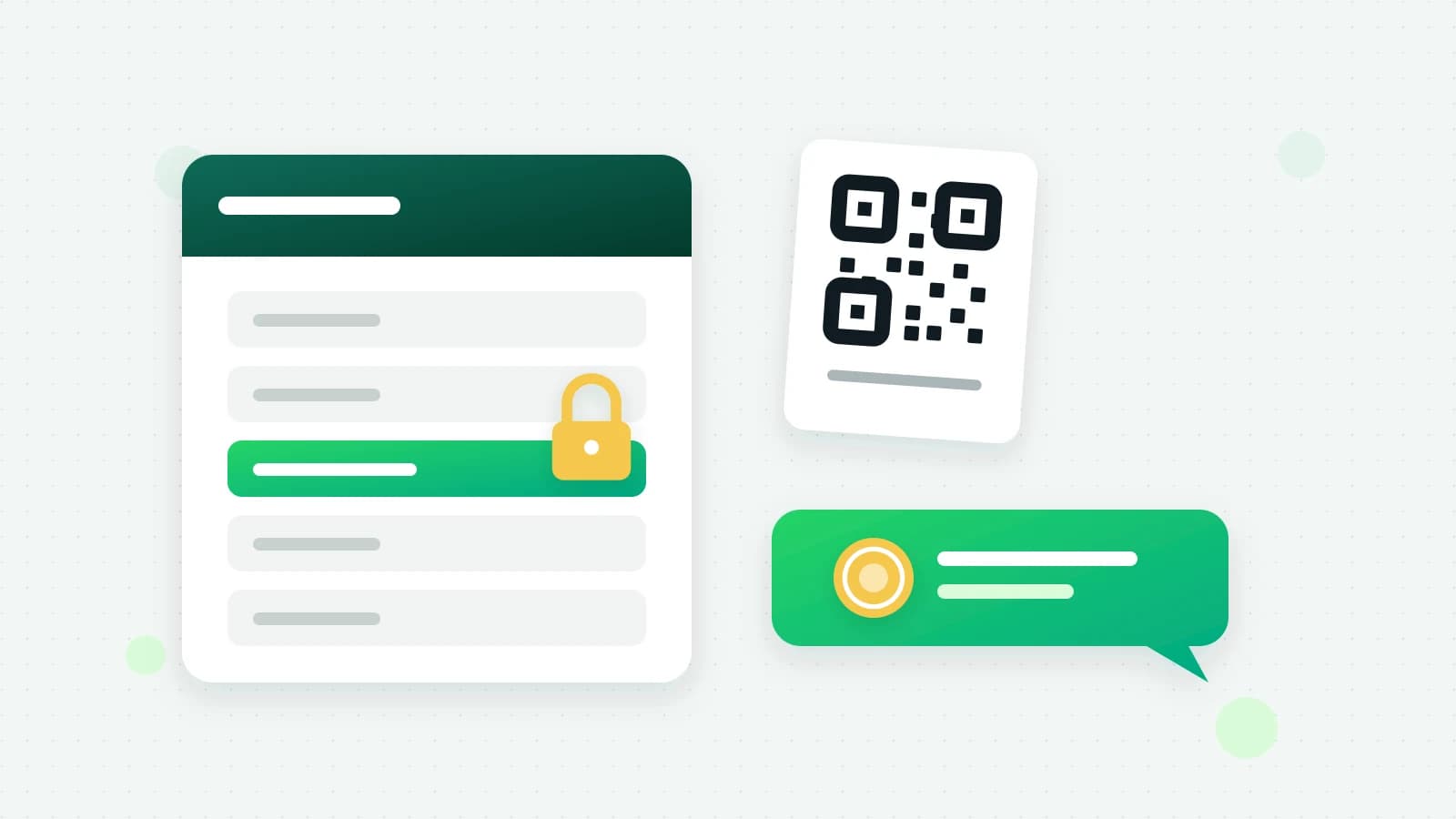
- 5With Razorpay, the payment confirms the booking by itself. With UPI, the client scans the QR, pays and taps I’ve paid; the booking waits under Payments to check until someone presses Money arrived or No money came. You have 12 hours to check, and the time stays theirs meanwhile.
When your team adds a booking and asks for the advance, the time is kept for 24 hours and the client gets a WhatsApp message with a View and pay button.
Refunds are always a person’s act. Fliok never sends a refund: a cancellation that is owed one shows as Refund to make on the Bookings page, you send the money back, then press Mark as refunded. A client who does not come loses the advance, and when you cancel a booking yourself, the advance is always owed back. If Invoices & receipts is on, every advance gets a receipt there by itself, or a draft for you to finish if your bills show tax.
Every booking message, including the request for an advance, goes as a utility message from your own WhatsApp number. For the habits that stop double bookings before any advance, see how to take bookings on WhatsApp without double-booking. Step by step in taking an advance for a booking and reschedules, cancellations and no-shows; more on the booking advance page and on connecting your Razorpay account. For a salon’s whole setup, see the salon appointment booking system guide.
Frequently asked questions
Should I charge an advance for appointments?
For long services, busy times and new clients, an advance cuts no-shows because the slot then costs the client something. For short services that are easy to fill again, it may lose more bookings than it saves. Record no-shows for a few weeks before you decide.
What is the difference between an advance and a booking deposit?
In everyday use they mean the same thing: part of the price paid when booking, which comes off the bill on the day. Whatever you call it, say plainly in your policy whether it is refunded, and until when.
What should my cancellation policy say?
How much the advance is, that it comes off the bill, until when a cancellation gets it back, what happens after that or on a no-show, and that it is always refunded when you cancel. Show it before the client pays, and use the same policy for everyone.
Does Fliok keep the advance or send refunds?
No. The advance is paid straight to you, through your own Razorpay account or to your UPI ID, and never passes through Fliok. Fliok shows a cancellation that is owed a refund as Refund to make; you send the money back and mark it refunded.
What happens if the client does not pay the advance in time?
The slot goes back on offer by itself. On the booking page a client has 15 minutes to pay unless you change it; when your team asks for the advance, the time is kept for 24 hours.
Written by the Fliok team
The team that builds the product. Plain explanations of Meta's rules and of what Fliok does with them.
Try it on your own number
The Free plan connects one WhatsApp number, with no time limit. Questions first? A person replies within one business day.